Understanding how loans impact your credit score and overall financial health is essential in today’s credit-driven world. Whether you’re applying for a mortgage, car loan, student loan, or personal loan, every borrowing decision you make has consequences—both positive and negative. When managed wisely, loans can help you build strong credit and improve your financial stability. However, poor loan management can lead to long-term financial challenges.
In this comprehensive guide, we will explore how loans influence your credit score, the factors involved, and how borrowing affects your broader financial well-being.
What Is a Credit Score and Why It Matters
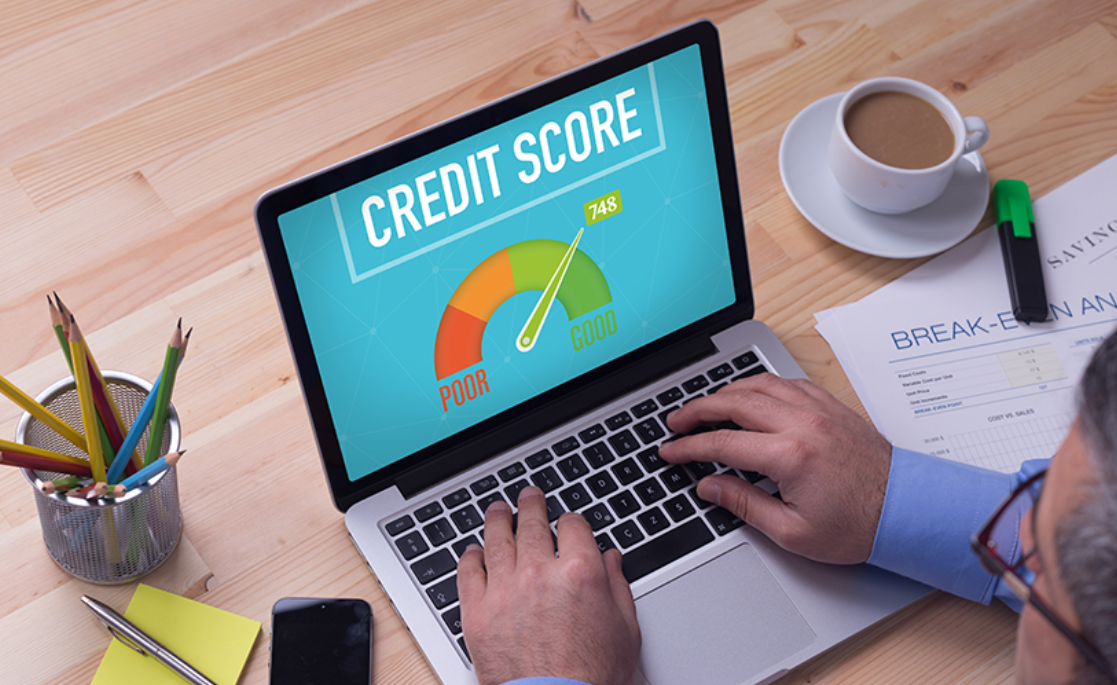
A credit score is a numerical representation of your creditworthiness. Lenders use it to determine how likely you are to repay borrowed money. Typically ranging from 300 to 850, a higher score indicates lower risk to lenders.
Your credit score plays a crucial role in:
- Loan approvals
- Interest rates
- Credit card eligibility
- Rental applications
- Even employment opportunities in some cases
Because of its importance, understanding how loans affect this score is critical.
Key Factors That Influence Your Credit Score
Before diving into how loans affect your credit, it’s important to understand the main components that make up your score:
1. Payment History (35%)
Your track record of paying bills on time is the most significant factor. Late or missed payments can significantly lower your score.
2. Credit Utilization (30%)
This refers to how much of your available credit you’re using. Lower utilization is generally better.
3. Length of Credit History (15%)
The longer your credit history, the more data lenders have to evaluate your behavior.
4. Credit Mix (10%)
Having a variety of credit types (credit cards, loans, etc.) can positively impact your score.
5. New Credit Inquiries (10%)
Applying for multiple loans in a short period can temporarily reduce your score.
Types of Loans and Their Impact
Different types of loans affect your credit score in different ways.
1. Installment Loans
These include personal loans, mortgages, auto loans, and student loans. You repay them over time with fixed payments.
Impact:
- Helps diversify your credit mix
- Builds payment history over time
- Less impact on credit utilization
2. Revolving Credit
While not technically a loan, credit cards fall into this category.
Impact:
- Strongly influences credit utilization
- Requires disciplined spending habits
3. Secured vs. Unsecured Loans
- Secured loans require collateral (e.g., car loans)
- Unsecured loans do not (e.g., personal loans)
Both types can affect your credit similarly, but secured loans may be easier to obtain.
How Loans Can Positively Affect Your Credit Score
Loans are not inherently bad. In fact, they can improve your credit score when used responsibly.
1. Building a Positive Payment History
Making on-time payments consistently is one of the best ways to improve your credit score. Each successful payment demonstrates reliability to lenders.
Tip: Set up automatic payments to avoid missing due dates.
2. Improving Your Credit Mix
Having both revolving credit and installment loans shows lenders that you can manage different types of debt responsibly.
3. Establishing Credit History
For individuals with little or no credit history, taking out a small loan and repaying it on time can help establish a credit profile.
4. Lowering Credit Utilization
If you use a personal loan to pay off high credit card balances, your credit utilization ratio decreases, which can boost your score.
How Loans Can Negatively Affect Your Credit Score
While loans can help your credit, they also carry risks if not managed properly.
1. Missed or Late Payments
Even one late payment can significantly damage your credit score. Multiple missed payments can lead to severe declines.
2. High Debt Levels
Taking on too much debt can make lenders view you as a high-risk borrower.
3. Hard Credit Inquiries
Every time you apply for a loan, a hard inquiry is recorded on your credit report. Too many inquiries in a short period can lower your score.
4. Defaulting on Loans
Failing to repay a loan can result in collections, legal action, or even bankruptcy—all of which severely damage your credit.
The Long-Term Impact of Loans on Financial Health
Loans don’t just affect your credit score—they also influence your broader financial health.
1. Cash Flow Management
Monthly loan payments reduce your available income. If not planned properly, this can strain your budget.
2. Debt-to-Income Ratio (DTI)
This ratio compares your total monthly debt payments to your income. A high DTI can make it harder to qualify for new loans.
3. Financial Flexibility
Too many loans can limit your ability to handle emergencies or take advantage of new opportunities.
4. Stress and Mental Health
Financial pressure from debt can lead to stress, anxiety, and reduced quality of life.
Smart Strategies for Managing Loans
To ensure loans work in your favor, consider the following strategies:
1. Borrow Only What You Need
Avoid taking out larger loans than necessary. Borrowing more increases your repayment burden.
2. Make Payments on Time
This cannot be emphasized enough. Payment history is the most critical factor in your credit score.
3. Keep Debt Levels Manageable
Maintain a healthy balance between income and debt. Avoid maxing out your borrowing capacity.
4. Monitor Your Credit Report
Regularly check your credit report to ensure accuracy and track your progress.
5. Avoid Multiple Loan Applications
Applying for several loans at once can signal financial distress and lower your score.
6. Consider Loan Consolidation
If you have multiple debts, consolidating them into one loan can simplify payments and potentially reduce interest rates.
When Loans Can Be Beneficial
Loans can be a powerful financial tool when used wisely.
1. Education
Student loans can increase earning potential over time.
2. Home Ownership
Mortgages allow you to invest in property and build equity.
3. Business Growth
Loans can fund entrepreneurial ventures and generate income.
4. Emergency Situations
Personal loans can provide quick access to funds during crises.
When Loans Become Risky
Loans become problematic when:
- You rely on them for daily expenses
- You consistently miss payments
- Your debt exceeds your repayment capacity
- You use new loans to pay off old ones without a plan
Recognizing these warning signs early can prevent financial trouble.
The Role of Interest Rates
Interest rates significantly impact the total cost of a loan.
- Low interest rates make borrowing more affordable
- High interest rates increase total repayment amounts
Your credit score often determines the interest rate you receive, creating a cycle: better credit leads to cheaper loans, which are easier to manage.
How to Recover from Loan Mistakes
If you’ve made mistakes with loans, recovery is possible.
1. Catch Up on Payments
Bring all accounts current as soon as possible.
2. Negotiate with Lenders
Some lenders may offer hardship programs or modified payment plans.
3. Rebuild Credit Gradually
Use small, manageable credit lines and pay them off consistently.
4. Seek Professional Help
Credit counseling services can provide guidance and support.
Final Thoughts
Loans are a double-edged sword. When used responsibly, they can help you build a strong credit score and achieve important life goals such as education, homeownership, and business growth. However, mismanaging loans can lead to financial stress, damaged credit, and long-term economic hardship.
The key is balance and discipline. By understanding how loans affect your credit score and financial health, you can make informed decisions that support your financial future.
Always remember: borrowing is not just about access to money—it’s about managing responsibility.