In today’s fast-paced digital world, building a career in digital marketing is one of the most accessible and rewarding paths—even if you’re starting with zero experience. Unlike many traditional professions, digital marketing values skills, creativity, and results more than formal degrees. Whether you’re a student, career switcher, or someone looking to work remotely, this guide will walk you through everything you need to know to get started from scratch.
What Is Digital Marketing?
Digital marketing refers to promoting products or services using online channels such as search engines, social media, email, websites, and mobile apps. Businesses rely heavily on digital marketing to reach their audiences, generate leads, and drive sales.
Some of the main areas of digital marketing include:
- Search Engine Optimization (SEO)
- Social Media Marketing (SMM)
- Content Marketing
- Email Marketing
- Pay-Per-Click Advertising (PPC)
- Affiliate Marketing
- Influencer Marketing
The best part? You don’t need prior experience to start learning these skills.
Why Choose a Career in Digital Marketing?
Before diving into how to start, it’s important to understand why digital marketing is such a popular career choice:
1. High Demand
Companies of all sizes need digital marketers. From startups to global corporations, the demand continues to grow.
2. Low Entry Barrier
Unlike fields like medicine or law, you don’t need a specific degree to get started.
3. Flexible Work Options
Many digital marketers work remotely or freelance, giving you location independence.
4. Diverse Career Paths
You can specialize in SEO, social media, paid ads, content creation, analytics, and more.
5. Unlimited Growth Potential
With experience, you can become a consultant, start your own agency, or even build your own business.
Step 1: Understand the Basics of Digital Marketing
When starting with no experience, your first goal is to build a strong foundation.
Learn the key concepts:
- How search engines work
- What keywords are
- How social media algorithms function
- Basics of customer behavior online
- Conversion funnels and user journeys
You don’t need to master everything at once. Focus on understanding the big picture first.
Step 2: Choose a Specialization
Digital marketing is broad, so choosing one area early helps you focus your efforts.
Here are some beginner-friendly options:
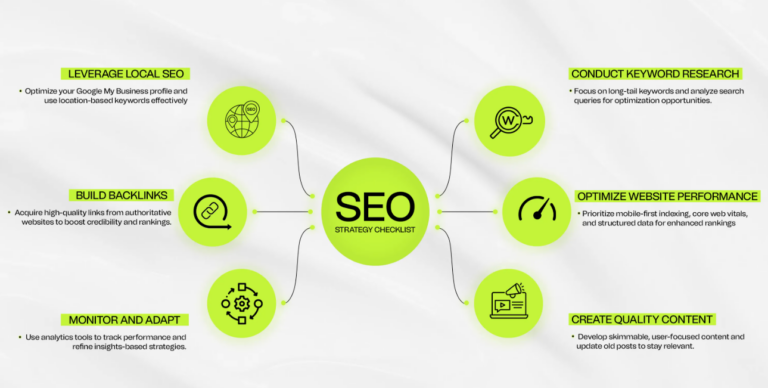
SEO (Search Engine Optimization)
Focuses on ranking websites higher in search engine results.
Skills to learn:
- Keyword research
- On-page SEO
- Link building
- Technical SEO basics
Social Media Marketing
Involves managing and growing social media accounts.
Skills to learn:
- Content creation
- Audience engagement
- Analytics tracking
Content Marketing
Centers on creating valuable content like blogs, videos, and infographics.
Skills to learn:
- Writing
- Storytelling
- Content strategy
Paid Advertising (PPC)
Involves running ads on platforms like Google or social media.
Skills to learn:
- Ad targeting
- Budget management
- Conversion tracking
Pick one area that interests you most and go deep before branching out.
Step 3: Learn Through Free and Paid Resources
You don’t need to spend a lot of money to start learning digital marketing.
Free Learning Platforms
- Blogs and tutorials
- YouTube channels
- Online forums and communities
Paid Courses (Optional)
Structured courses can accelerate your learning, but they’re not mandatory.
Focus on courses that include:
- Practical assignments
- Real-world case studies
- Updated content
Step 4: Practice with Real Projects
Learning theory alone is not enough. You need hands-on experience.
Here are some practical ways to practice:
Start a Blog or Website
Create your own website and apply SEO and content strategies.
Manage Social Media Accounts
Grow your own account or help a friend’s business.
Run Small Ad Campaigns
Even a small budget can teach you valuable lessons.
Create Content
Write articles, design posts, or produce videos.
The goal is to build a portfolio, not perfection.
Step 5: Build a Strong Portfolio
Your portfolio is more important than your resume when starting out.
Include:
- Blog posts you’ve written
- SEO improvements you’ve made
- Social media growth results
- Campaigns you’ve run
- Analytics reports
Even if your projects are personal, they still count as experience.
Step 6: Learn Basic Tools
Digital marketers rely on tools to work efficiently. Start with beginner-friendly tools such as:
- Analytics tools to track website traffic
- Keyword research tools
- Social media scheduling tools
- Email marketing platforms
You don’t need to master all tools—just understand how they work.
Step 7: Build Your Online Presence
To get noticed, you need to be visible online.
Create a Personal Brand
- Share what you learn
- Post insights and tips
- Document your journey
Use Professional Platforms
- Build a strong profile
- Connect with professionals
- Engage with content
This helps you attract opportunities even without experience.
Step 8: Apply for Entry-Level Jobs or Freelance Work
Once you have basic skills and a portfolio, start applying.
Entry-Level Roles
Look for positions like:
- Digital Marketing Assistant
- SEO Intern
- Social Media Coordinator
- Content Writer
Freelancing
Freelancing is one of the fastest ways to gain experience.
Start with:
- Small projects
- Low-budget clients
- Short-term gigs
Over time, you can increase your rates.
Step 9: Network and Join Communities
Networking can open doors that skills alone cannot.
Join Online Communities
- Marketing groups
- Forums
- Social media communities
Attend Webinars and Events
Learn from experts and connect with others in the field.
Reach Out to Professionals
Don’t be afraid to ask questions or seek advice.
Step 10: Keep Learning and Improving
Digital marketing is constantly evolving.
Stay updated by:
- Following industry blogs
- Watching tutorials
- Experimenting with new strategies
- Analyzing trends
The more you learn, the more valuable you become.
Common Mistakes to Avoid
Starting without experience can be overwhelming, so avoid these common mistakes:
1. Trying to Learn Everything at Once
Focus on one skill first.
2. Not Practicing Enough
Theory without action won’t help you grow.
3. Expecting Quick Results
Digital marketing takes time and patience.
4. Ignoring Analytics
Data is key to improving your performance.
5. Giving Up Too Early
Consistency is what separates beginners from professionals.
How Long Does It Take to Get a Job?
The timeline varies depending on your dedication and learning speed.
- 1–3 months: Learn basics
- 3–6 months: Build portfolio
- 6–9 months: Land entry-level job or freelance clients
Some people achieve results faster, especially if they practice daily.
Career Growth in Digital Marketing
Once you gain experience, your career can grow in many directions:
- Specialist (SEO, PPC, Social Media)
- Digital Marketing Manager
- Consultant or Strategist
- Agency Owner
- Entrepreneur
With the right skills, your income potential can increase significantly.
Final Thoughts
Starting a career in digital marketing with no experience may seem challenging, but it is entirely possible. The key is to focus on learning, practicing, and staying consistent. Unlike traditional careers, digital marketing rewards those who take action and continuously improve their skills.