In today’s fast-paced digital landscape, e-commerce businesses face intense competition. With thousands of online stores competing for attention, simply having a website is no longer enough. To stand out, attract customers, and drive consistent revenue, businesses must leverage effective digital marketing strategies.
Digital marketing for e-commerce is more than just running ads or posting on social media. It involves a comprehensive approach that combines data-driven insights, customer-centric strategies, and optimized user experiences to boost sales and conversions.
In this article, you’ll learn everything you need to know about digital marketing for e-commerce, including proven strategies, tools, and techniques to grow your online business successfully.
What Is Digital Marketing for E-Commerce?
Digital marketing for e-commerce refers to the use of online channels, platforms, and technologies to promote products and services, attract potential customers, and convert them into buyers.
Key channels include:
- Search engines (SEO & SEM)
- Social media platforms
- Email marketing
- Content marketing
- Paid advertising
- Affiliate marketing
The primary goal is simple: increase traffic, improve conversions, and maximize revenue.
Why Digital Marketing Is Crucial for E-Commerce Success
Without digital marketing, even the best products may remain invisible. Here’s why it matters:
1. Increased Visibility
Search engines and social media help customers discover your store.
2. Targeted Audience Reach
Digital marketing allows precise targeting based on interests, behavior, and demographics.
3. Cost-Effective Growth
Compared to traditional marketing, digital strategies offer better ROI.
4. Measurable Results
Analytics tools help track performance and optimize campaigns in real-time.
5. Improved Customer Engagement
You can build relationships through personalized communication and content.
Core Digital Marketing Strategies for E-Commerce
1. Search Engine Optimization (SEO)
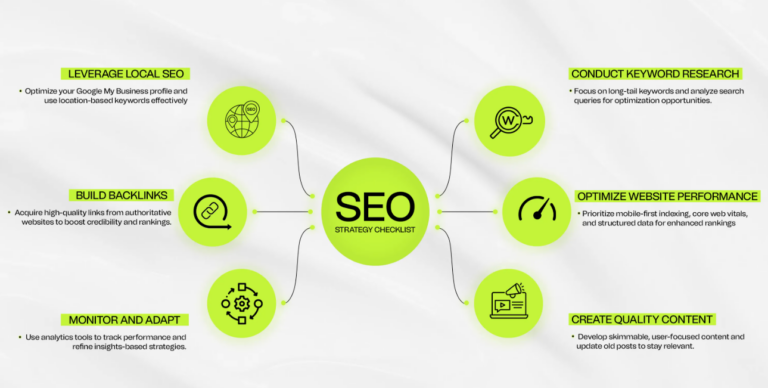
SEO is the backbone of long-term e-commerce success. It helps your website rank higher on search engines, driving organic traffic.
Key SEO Techniques:
- Keyword research for product pages
- Optimizing product descriptions
- Improving site speed
- Mobile optimization
- Building backlinks
Tips:
Focus on long-tail keywords like:
- “best running shoes for beginners”
- “affordable skincare products online”
These keywords have lower competition and higher conversion rates.
2. Pay-Per-Click Advertising (PPC)
PPC ads allow you to appear instantly on search engines and social platforms.
Benefits:
- Immediate traffic
- Highly targeted campaigns
- Measurable ROI
Best Practices:
- Use compelling ad copy
- Include strong CTAs (Call-to-Action)
- Optimize landing pages
- Test different ad variations
3. Social Media Marketing
Social media platforms are powerful tools for building brand awareness and driving sales.
Popular Platforms:
- TikTok
Strategies:
- Post engaging content regularly
- Use high-quality visuals
- Collaborate with influencers
- Run targeted ads
4. Content Marketing
Content marketing builds trust and educates your audience.
Types of Content:
- Blog posts
- Product guides
- Videos
- Tutorials
Example:
A skincare store can create content like:
- “How to build a skincare routine”
- “Top 10 products for acne-prone skin”
This attracts organic traffic and positions your brand as an authority.
5. Email Marketing
Email marketing remains one of the highest ROI channels in e-commerce.
Types of Email Campaigns:
- Welcome emails
- Abandoned cart reminders
- Product recommendations
- Promotional offers
Tips:
- Personalize emails
- Segment your audience
- Use catchy subject lines
- Include clear CTAs
6. Conversion Rate Optimization (CRO)
Driving traffic is only half the battle. You must convert visitors into customers.
Key CRO Elements:
- Clear product descriptions
- High-quality images
- Customer reviews
- Simple checkout process
Optimization Tips:
- Reduce page load time
- Use trust badges
- Offer multiple payment options
- A/B test landing pages
Advanced Strategies to Boost Sales
1. Retargeting Campaigns
Most visitors don’t buy on their first visit. Retargeting helps bring them back.
How It Works:
- Track visitors using cookies
- Show ads to them on other platforms
- Remind them of products they viewed
2. Personalization
Personalized experiences increase conversions significantly.
Examples:
- Product recommendations
- Personalized emails
- Dynamic website content
3. Influencer Marketing
Collaborating with influencers helps build trust and expand reach.
Benefits:
- Access to a loyal audience
- Increased credibility
- Higher engagement rates
4. User-Generated Content (UGC)
UGC includes reviews, testimonials, and customer photos.
Why It Works:
- Builds trust
- Acts as social proof
- Encourages engagement
5. Mobile Optimization
A large portion of online shopping happens on mobile devices.
Optimization Tips:
- Responsive design
- Fast loading speed
- Easy navigation
- Mobile-friendly checkout
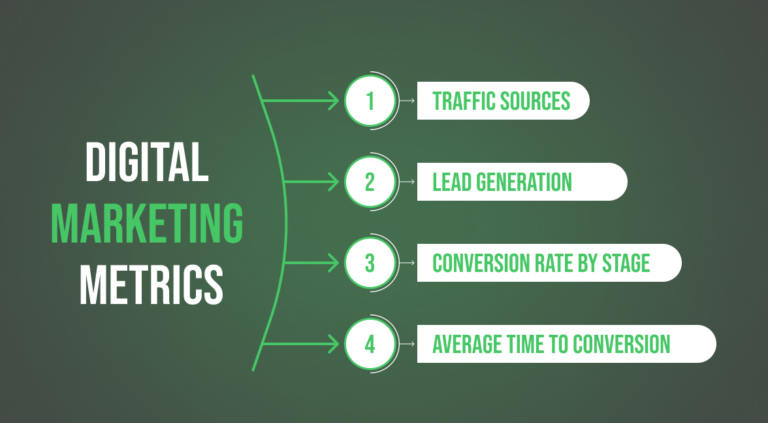
Key Metrics to Track
To measure success, track these important metrics:
1. Conversion Rate
Percentage of visitors who make a purchase.
2. Customer Acquisition Cost (CAC)
Cost of acquiring a new customer.
3. Average Order Value (AOV)
Average amount spent per order.
4. Return on Investment (ROI)
Profit generated from marketing efforts.
5. Bounce Rate
Percentage of visitors who leave without interacting.
Common Mistakes to Avoid
1. Ignoring SEO
Without SEO, your store relies heavily on paid ads.
2. Poor Website Design
A cluttered or slow website drives customers away.
3. Lack of Mobile Optimization
Mobile users expect seamless experiences.
4. Not Using Analytics
Without data, you can’t improve performance.
5. Weak Product Descriptions
Generic descriptions fail to persuade buyers.
Tools for E-Commerce Digital Marketing
Here are some essential tools:
SEO Tools:
- Google Analytics
- Google Search Console
- Ahrefs
Email Marketing Tools:
- Mailchimp
- Klaviyo
Social Media Tools:
- Hootsuite
- Buffer
CRO Tools:
- Hotjar
- Optimizely
Future Trends in E-Commerce Digital Marketing
1. AI and Automation
AI helps personalize experiences and automate campaigns.
2. Voice Search Optimization
More users are using voice assistants to shop online.
3. Video Marketing
Short-form videos are dominating engagement.
4. Augmented Reality (AR)
Allows customers to “try” products virtually.
Step-by-Step Strategy to Boost Sales
Here’s a simple roadmap:
Step 1: Optimize Your Website
- Improve speed
- Ensure mobile responsiveness
- Simplify navigation
Step 2: Implement SEO
- Target relevant keywords
- Optimize product pages
Step 3: Run Paid Ads
- Start with small budgets
- Test different campaigns
Step 4: Build an Email List
- Offer discounts for sign-ups
- Send regular updates
Step 5: Use Social Media
- Engage with your audience
- Post consistently
Step 6: Analyze and Improve
- Track metrics
- Adjust strategies
Conclusion
Digital marketing for e-commerce is essential for driving traffic, increasing sales, and building long-term customer relationships. By combining SEO, paid advertising, social media, content marketing, and conversion optimization, businesses can create a powerful marketing ecosystem.
Success doesn’t happen overnight. It requires consistent effort, testing, and optimization. However, with the right strategies in place, your e-commerce store can achieve sustainable growth and higher conversions.
Start implementing these techniques today, and you’ll be well on your way to boosting your online sales and maximizing your business potential.