In the ever-evolving landscape of digital marketing, trends come and go at lightning speed. Social media platforms rise and fall, algorithms shift unpredictably, and new technologies continuously reshape how brands connect with audiences. Yet, amid all this change, one channel has consistently proven its value: email marketing.
In 2026, email marketing is not just alive—it is thriving. With advancements in artificial intelligence, automation, personalization, and data analytics, email has become one of the most powerful tools for building relationships, driving conversions, and maximizing ROI. This article explores the most effective email marketing strategies in 2026 and how businesses can leverage them to stay ahead of the competition.
Why Email Marketing Still Matters in 2026
Despite the popularity of social media and instant messaging platforms, email remains a cornerstone of digital marketing for several reasons:
1. Direct Access to Your Audience
Unlike social platforms, where algorithms control visibility, email provides direct access to your audience’s inbox. This makes it a reliable communication channel.
2. High Return on Investment (ROI)
Email marketing continues to deliver one of the highest ROIs among digital channels. With relatively low costs and high scalability, businesses can generate significant returns.
3. Ownership of Data
Email lists are owned assets. You are not dependent on third-party platforms, which reduces risk and increases control over your marketing strategy.
4. Personalization Capabilities
Modern email marketing tools allow for deep personalization, making messages more relevant and engaging for recipients.
Key Trends Shaping Email Marketing in 2026
Before diving into strategies, it’s important to understand the trends influencing email marketing today.
AI-Powered Personalization
Artificial intelligence enables marketers to analyze user behavior and deliver hyper-personalized content. Emails are now tailored based on browsing history, purchase behavior, and even predictive intent.
Interactive Emails
Emails are no longer static. Interactive elements such as quizzes, polls, carousels, and embedded videos enhance engagement and improve user experience.
Privacy and Data Protection
With stricter data privacy regulations worldwide, transparency and consent are critical. Marketers must prioritize ethical data collection and usage.
Omnichannel Integration
Email marketing is now deeply integrated with other channels like SMS, push notifications, and social media, creating a seamless customer journey.
Proven Email Marketing Strategies for 2026
To succeed in 2026, businesses must go beyond basic campaigns. Here are the strategies that truly work.
1. Build a High-Quality Email List
A successful email marketing campaign starts with a strong list. Instead of focusing on quantity, prioritize quality.
Best Practices:
- Use lead magnets such as eBooks, webinars, and exclusive content
- Implement double opt-in for better engagement
- Segment subscribers from the beginning
Avoid buying email lists at all costs. Not only does it harm your reputation, but it also reduces deliverability and engagement rates.
2. Segment Your Audience Effectively
Segmentation is no longer optional—it is essential.
Common Segmentation Criteria:
- Demographics (age, location, gender)
- Behavior (purchase history, website activity)
- Engagement level (active vs inactive subscribers)
- Interests and preferences
By sending targeted emails, you increase relevance and improve open and click-through rates.
3. Leverage Hyper-Personalization
Generic emails no longer work in 2026. Customers expect tailored experiences.
Examples of Personalization:
- Dynamic content based on user behavior
- Personalized product recommendations
- Location-based offers
- Time-sensitive messaging
AI tools can analyze vast amounts of data to create highly personalized email experiences that feel one-to-one.
4. Optimize for Mobile-First Experiences
Most users now check emails on mobile devices. If your emails are not mobile-friendly, you risk losing a significant portion of your audience.
Mobile Optimization Tips:
- Use responsive design
- Keep subject lines short and compelling
- Use large, clickable buttons
- Optimize images for fast loading
A seamless mobile experience is critical for engagement and conversions.
5. Craft Compelling Subject Lines
Your subject line determines whether your email gets opened or ignored.
Tips for Effective Subject Lines:
- Keep it under 50 characters
- Create curiosity or urgency
- Use personalization (e.g., first name)
- Avoid spam-trigger words
A/B testing subject lines can help identify what resonates best with your audience.
6. Focus on Valuable Content
Content remains king, even in email marketing.
Types of High-Performing Content:
- Educational content
- Product updates
- Exclusive offers
- Storytelling and brand narratives
The key is to provide value. If your emails consistently help, inform, or entertain your audience, they will stay engaged.
7. Use Automation and Drip Campaigns
Automation is one of the most powerful tools in email marketing.
Popular Automated Campaigns:
- Welcome series
- Abandoned cart emails
- Post-purchase follow-ups
- Re-engagement campaigns
Automation ensures timely and relevant communication without manual effort.
8. Implement Behavioral Trigger Emails
Triggered emails are sent based on specific user actions, making them highly relevant.
Examples:
- Browsing behavior emails
- Purchase confirmation emails
- Renewal reminders
- Event-based emails
These emails often achieve higher open and conversion rates because they align with user intent.
9. Integrate Email with Other Channels
Email marketing does not exist in isolation. Integrating it with other channels enhances effectiveness.
Integration Ideas:
- Combine email with SMS for urgent messages
- Use retargeting ads alongside email campaigns
- Sync email campaigns with social media promotions
An omnichannel approach ensures consistent messaging across all touchpoints.
10. Prioritize Deliverability
Even the best email campaign is useless if it doesn’t reach the inbox.
Deliverability Best Practices:
- Maintain a clean email list
- Avoid spammy language
- Use authenticated domains (SPF, DKIM, DMARC)
- Monitor sender reputation
Regularly removing inactive subscribers can improve your overall deliverability.
11. Embrace Interactive Email Content
Interactive emails are transforming user engagement.
Examples of Interactive Elements:
- Surveys and polls
- Image carousels
- Clickable menus
- Gamified experiences
These features make emails more engaging and encourage users to spend more time interacting with your content.
12. Use Data Analytics for Continuous Improvement
Data-driven decision-making is essential for success.
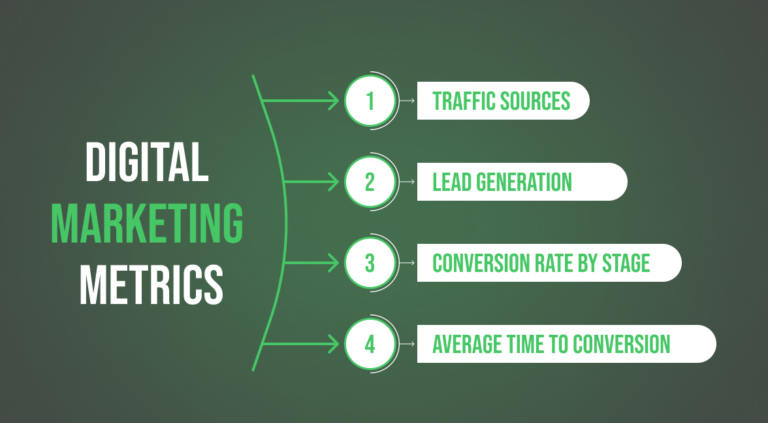
Key Metrics to Track:
- Open rate
- Click-through rate (CTR)
- Conversion rate
- Bounce rate
- Unsubscribe rate
Analyzing these metrics helps identify what works and what needs improvement.
13. A/B Testing Everything
Testing is the backbone of optimization.
Elements to Test:
- Subject lines
- Email design
- Call-to-action (CTA) buttons
- Send times
- Content layout
Continuous testing ensures your campaigns evolve and improve over time.
14. Focus on Customer Retention
Acquiring new customers is important, but retaining existing ones is more cost-effective.
Retention Strategies:
- Loyalty programs
- Exclusive offers for subscribers
- Personalized follow-ups
- Feedback requests
Email marketing is a powerful tool for nurturing long-term customer relationships.
15. Maintain Compliance and Transparency
With increasing data privacy concerns, compliance is critical.
Key Practices:
- Obtain clear consent
- Provide easy unsubscribe options
- Be transparent about data usage
- Follow regulations like GDPR and other regional laws
Trust is a key factor in successful email marketing.
Common Mistakes to Avoid in 2026
Even experienced marketers can fall into common traps. Here are mistakes to avoid:
Sending Too Many Emails
Over-emailing can lead to subscriber fatigue and increased unsubscribe rates.
Ignoring Personalization
Generic emails are less effective and often ignored.
Poor Design and Formatting
Cluttered or unattractive emails reduce engagement.
Neglecting Analytics
Failing to analyze performance prevents growth and optimization.
The Future of Email Marketing
Looking ahead, email marketing will continue to evolve with technology. Key developments to watch include:
AI-Generated Content
AI tools will create highly personalized and optimized email content at scale.
Voice and Smart Assistants
Emails may integrate with voice assistants, allowing users to interact hands-free.
Advanced Predictive Analytics
Marketers will be able to anticipate customer needs before they arise.
Deeper Integration with CRM Systems
Email marketing will become even more tightly integrated with customer relationship management platforms.
Conclusion
Email marketing remains one of the most powerful tools in digital marketing in 2026. With the right strategies, businesses can build meaningful relationships, drive engagement, and achieve impressive returns.
The key to success lies in embracing innovation while staying focused on fundamentals: understanding your audience, delivering value, and continuously optimizing your approach. By leveraging personalization, automation, data analytics, and omnichannel integration, marketers can unlock the full potential of email marketing.
As the digital landscape continues to evolve, one thing is clear: email marketing is not just surviving—it is leading the way.