In today’s fast-paced digital landscape, businesses must compete not only for attention but also for visibility. One of the most powerful ways to achieve this is through Search Engine Optimization (SEO). SEO is a fundamental component of digital marketing that helps websites rank higher on search engines, especially Google, which dominates the global search market.
Understanding how to use SEO effectively can make the difference between a website that thrives and one that gets lost in the vast sea of online content. This article will guide you through everything you need to know about using SEO in digital marketing to rank higher on Google, from basic principles to advanced strategies.
What is SEO in Digital Marketing?
SEO (Search Engine Optimization) is the process of optimizing your website and content to improve visibility in search engine results pages (SERPs). In digital marketing, SEO plays a crucial role in driving organic (non-paid) traffic to your website.
SEO involves multiple strategies, including:
- Keyword research
- On-page optimization
- Technical SEO
- Content creation
- Link building
When done correctly, SEO helps search engines understand your content and match it with users’ search intent.
Why SEO is Important for Google Rankings
Google uses complex algorithms to determine which pages appear first in search results. These algorithms consider hundreds of ranking factors, including relevance, authority, and user experience.
Here’s why SEO is essential:
1. Increases Organic Traffic
Higher rankings mean more visibility, which leads to increased clicks and traffic.
2. Builds Credibility and Trust
Websites that rank higher are often perceived as more trustworthy by users.
3. Improves User Experience
SEO encourages better website structure, faster loading speeds, and mobile optimization.
4. Cost-Effective Marketing
Unlike paid ads, organic traffic from SEO is sustainable over time.
Understanding How Google Works
Before diving into SEO strategies, it’s important to understand how Google operates. The process involves three main steps:
1. Crawling
Google uses bots (called crawlers or spiders) to discover new and updated pages.
2. Indexing
After crawling, pages are stored in Google’s index.
3. Ranking
Google ranks pages based on relevance and quality for specific search queries.
Your goal with SEO is to ensure your content is easily crawlable, properly indexed, and highly ranked.
Keyword Research: The Foundation of SEO
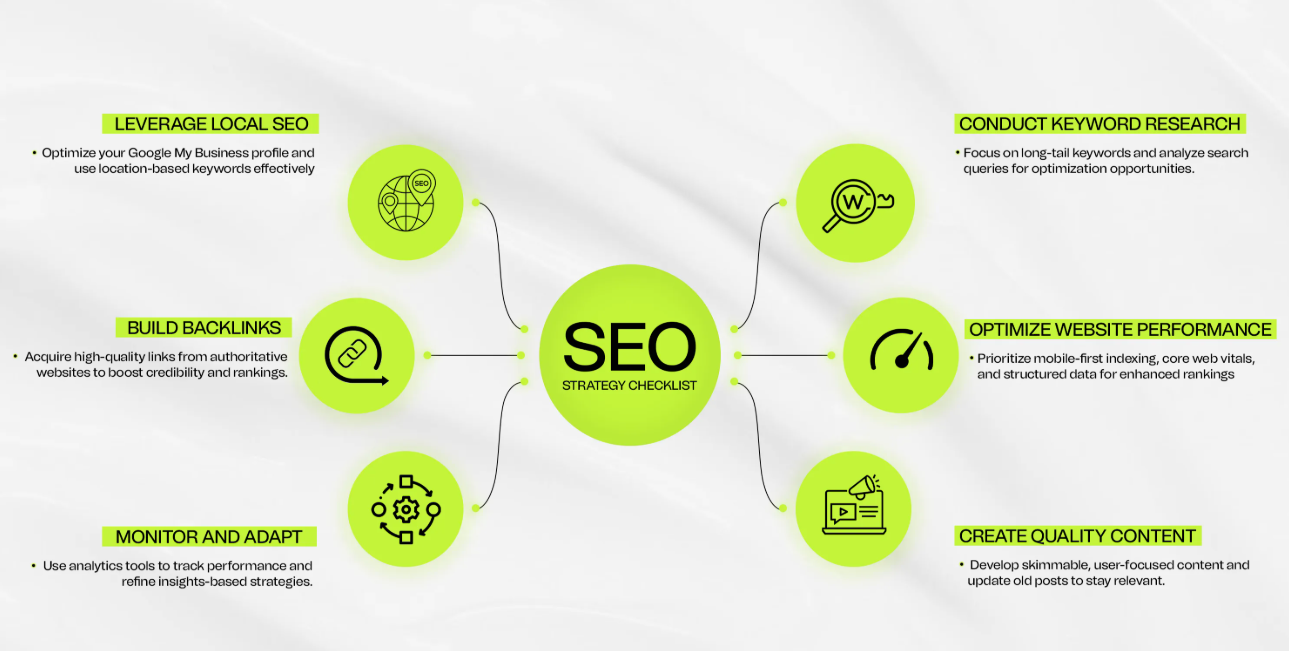
Keyword research is the backbone of any successful SEO strategy. It involves identifying the words and phrases users type into Google.
How to Do Keyword Research
- Use tools like Google Keyword Planner, Ahrefs, or SEMrush
- Focus on long-tail keywords (e.g., “how to use SEO in digital marketing”)
- Analyze competitor keywords
- Understand search intent (informational, navigational, transactional)
Types of Keywords
- Short-tail keywords: Broad and highly competitive
- Long-tail keywords: Specific and less competitive
- LSI keywords: Related terms that support your main keyword
Using the right keywords helps Google understand your content and match it to user queries.
On-Page SEO Optimization
On-page SEO refers to optimizing elements within your website.
Key On-Page SEO Elements
1. Title Tag
Include your main keyword and keep it under 60 characters.
2. Meta Description
Write a compelling description (150–160 characters) that encourages clicks.
3. Header Tags (H1, H2, H3)
Structure your content clearly and include keywords naturally.
4. URL Structure
Keep URLs short, clean, and keyword-rich.
5. Keyword Placement
Use keywords in:
- Title
- First 100 words
- Headings
- Throughout the content (naturally)
6. Internal Linking
Link to other relevant pages on your website.
7. Image Optimization
- Use descriptive file names
- Add alt text with keywords
Creating High-Quality Content
Content is one of the most important ranking factors in SEO.
What Makes Content SEO-Friendly?
- Original and unique
- Valuable and informative
- Well-structured and easy to read
- Keyword-optimized (but not overstuffed)
- Updated regularly
Content Types That Rank Well
- Blog posts
- Guides and tutorials
- Listicles
- Case studies
- Videos and infographics
Tips for Writing SEO Content
- Focus on solving user problems
- Use simple and clear language
- Break content into sections
- Include bullet points and visuals
Technical SEO: Optimizing Your Website Performance
Technical SEO ensures your website meets the technical requirements of search engines.
Key Technical SEO Factors
1. Website Speed
Fast-loading websites rank higher and improve user experience.
2. Mobile-Friendliness
Your site must be responsive and work well on mobile devices.
3. Secure Website (HTTPS)
Security is a ranking factor.
4. XML Sitemap
Helps search engines find and index your pages.
5. Robots.txt
Controls which pages search engines can crawl.
6. Fix Broken Links
Broken links harm user experience and SEO.
Off-Page SEO and Link Building
Off-page SEO focuses on activities outside your website that impact rankings.
What is Link Building?
Link building is the process of acquiring backlinks (links from other websites).
Why Backlinks Matter
- Signal authority and trust to Google
- Improve rankings
- Drive referral traffic
Effective Link Building Strategies
- Guest posting
- Creating shareable content
- Influencer outreach
- Directory submissions
- Social media promotion
Quality vs Quantity
One high-quality backlink is more valuable than many low-quality ones.
User Experience (UX) and SEO
Google prioritizes websites that offer a great user experience.
Important UX Factors
- Easy navigation
- Fast loading time
- Mobile responsiveness
- Low bounce rate
- Engaging design
Core Web Vitals
Google measures UX using Core Web Vitals:
- Largest Contentful Paint (LCP)
- First Input Delay (FID)
- Cumulative Layout Shift (CLS)
Improving these metrics can boost your rankings.
Local SEO for Targeted Visibility
If you have a local business, local SEO is essential.
Local SEO Strategies
- Create a Google Business Profile
- Use location-based keywords
- Get customer reviews
- Optimize for local directories
Local SEO helps your business appear in local search results and Google Maps.
Measuring SEO Performance
To improve your SEO strategy, you must track performance.
Key Metrics to Monitor
- Organic traffic
- Keyword rankings
- Click-through rate (CTR)
- Bounce rate
- Conversion rate
Tools for SEO Analysis
- Google Analytics
- Google Search Console
- Ahrefs
- SEMrush
Regular analysis helps identify what works and what needs improvement.
Common SEO Mistakes to Avoid
Avoid these mistakes to maintain strong rankings:
- Keyword stuffing
- Duplicate content
- Ignoring mobile optimization
- Slow website speed
- Poor-quality backlinks
- Not updating content
SEO is a long-term strategy, and mistakes can significantly impact your results.
Advanced SEO Strategies
Once you master the basics, you can explore advanced techniques.
1. Voice Search Optimization
Optimize for conversational queries and questions.
2. Featured Snippets
Structure content to appear in “position zero.”
3. Schema Markup
Add structured data to help search engines understand your content.
4. Content Clusters
Create pillar pages and link related content.
5. AI and SEO
Use AI tools to enhance keyword research and content creation.
Future of SEO in Digital Marketing
SEO continues to evolve as search engines become more advanced.
Trends to Watch
- AI-driven search algorithms
- Increased focus on user intent
- Voice and visual search
- Mobile-first indexing
- E-E-A-T (Experience, Expertise, Authoritativeness, Trustworthiness)
Staying updated with these trends is crucial for long-term success.
Conclusion
Using SEO in digital marketing is essential for achieving higher rankings on Google. By understanding how search engines work and implementing effective strategies—such as keyword research, on-page optimization, content creation, technical SEO, and link building—you can significantly improve your website’s visibility.
SEO is not a one-time effort but an ongoing process that requires consistency, analysis, and adaptation. By focusing on user experience and delivering valuable content, you can build a strong online presence and stay ahead of your competitors.
Start applying these SEO techniques today, and over time, you will see your website climb higher in Google search results, bringing more traffic, leads, and success to your digital marketing efforts.