In today’s digital landscape, having a website is not enough. No matter how well-designed or informative your website is, it won’t generate results unless people actually visit it. Website traffic is the lifeblood of any online business, and increasing it is essential for generating leads, conversions, and revenue.
Digital marketing provides a wide range of tools and strategies to attract visitors, engage audiences, and turn clicks into customers. From search engine optimization (SEO) to social media marketing and paid advertising, businesses have more opportunities than ever to grow their online presence.
In this comprehensive guide, we will explore how to increase website traffic with digital marketing, including proven strategies, actionable tips, and best practices that deliver real results.
Why Website Traffic Matters
Website traffic is more than just numbers—it represents potential customers. The more targeted traffic your website receives, the higher your chances of:
- Generating leads
- Increasing sales
- Building brand awareness
- Growing your business
However, not all traffic is equal. High-quality traffic—visitors who are genuinely interested in your products or services—is far more valuable than random clicks.
Understanding Traffic Sources
Before diving into strategies, it’s important to understand the main sources of website traffic:
1. Organic Traffic
Visitors who find your website through search engines like Google.
2. Paid Traffic
Traffic generated through paid ads such as Google Ads or social media advertising.
3. Social Traffic
Visitors coming from social media platforms.
4. Referral Traffic
Traffic from other websites that link to your site.
5. Direct Traffic
Users who type your website URL directly into their browser.
A successful digital marketing strategy combines multiple traffic sources to maximize reach and results.
Search Engine Optimization (SEO)
SEO is one of the most effective ways to increase website traffic organically.
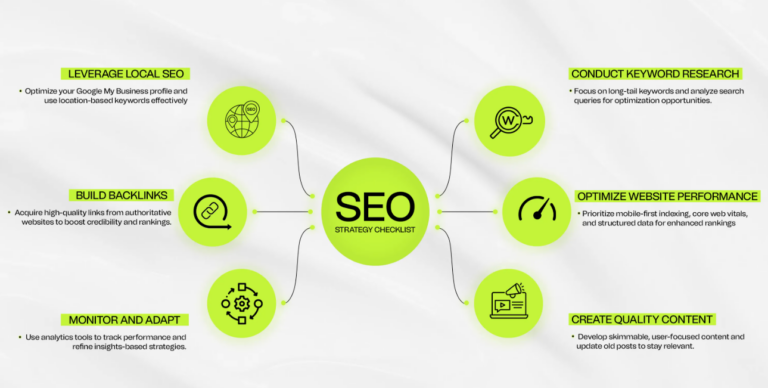
1. Keyword Research
Identify keywords your target audience is searching for. Focus on:
- High search volume
- Low competition
- Long-tail keywords
2. On-Page SEO
Optimize your website content by:
- Using keywords naturally
- Writing compelling meta titles and descriptions
- Structuring content with headings (H1, H2, H3)
- Adding internal links
3. Technical SEO
Ensure your website is:
- Fast-loading
- Mobile-friendly
- Secure (HTTPS)
- Easy to navigate
4. Content Optimization
Create high-quality, informative content that answers user queries. Search engines prioritize content that provides value.
SEO is a long-term strategy, but it delivers sustainable and cost-effective traffic over time.
Content Marketing Strategies
Content marketing plays a vital role in attracting and retaining visitors.
1. Blogging
Regular blog posts help improve SEO and provide value to your audience.
2. Evergreen Content
Create content that remains relevant over time, such as guides and tutorials.
3. Video Content
Videos are highly engaging and can drive significant traffic, especially when shared on social media.
4. Infographics
Visual content is easier to consume and more likely to be shared.
High-quality content not only attracts visitors but also encourages them to stay longer and explore your website.
Social Media Marketing
Social media platforms are powerful tools for driving website traffic.
1. Share Valuable Content
Post content that encourages users to click through to your website.
2. Use Engaging Formats
Leverage reels, stories, and live videos to capture attention.
3. Interact with Your Audience
Respond to comments and messages to build relationships.
4. Join Communities
Participate in groups and discussions related to your niche.
Consistent social media activity can significantly increase your website’s visibility.
Pay-Per-Click (PPC) Advertising
PPC advertising is a fast way to generate traffic.
Benefits of PPC:
- Immediate results
- Highly targeted audience
- Measurable performance
Best Practices:
- Use compelling ad copy
- Target the right keywords
- Optimize landing pages
- Monitor and adjust campaigns
While PPC requires investment, it can deliver a strong return when managed effectively.
Email Marketing
Email marketing is an often-overlooked traffic source.
How It Helps:
- Drives repeat visitors
- Promotes new content
- Builds customer relationships
Tips for Success:
- Build a quality email list
- Send valuable content
- Use clear call-to-actions (CTAs)
Email campaigns can bring consistent traffic and improve customer retention.
Influencer and Affiliate Marketing
Collaborating with influencers and affiliates can expand your reach.
Influencer Marketing
Partner with influencers who have an audience aligned with your niche.
Affiliate Marketing
Allow affiliates to promote your products in exchange for a commission.
Both strategies can drive targeted traffic and increase brand credibility.
Leveraging Backlinks
Backlinks are links from other websites to your site. They are crucial for SEO and traffic growth.
How to Get Backlinks:
- Guest blogging
- Creating shareable content
- Building relationships with other websites
- Submitting to directories
High-quality backlinks improve your website’s authority and search engine rankings.
Optimizing for Mobile Users
With the majority of users browsing on mobile devices, optimization is essential.
Key Factors:
- Responsive design
- Fast loading speed
- Easy navigation
A mobile-friendly website improves user experience and increases traffic retention.
Using Analytics to Improve Traffic
Data analysis is key to understanding and improving your traffic strategies.
Important Tools:
- Google Analytics
- Google Search Console
Metrics to Monitor:
- Traffic sources
- Bounce rate
- Average session duration
- Conversion rate
Analyzing data helps you identify what’s working and where improvements are needed.
Conversion Rate Optimization (CRO)
Driving traffic is only half the battle. You also need to convert visitors into customers.
Strategies:
- Improve website design
- Use clear CTAs
- Simplify navigation
- Build trust with testimonials
Better conversion rates mean more value from your existing traffic.
Common Mistakes to Avoid
To maximize traffic growth, avoid these mistakes:
1. Ignoring SEO
Without SEO, your website will struggle to rank in search engines.
2. Low-Quality Content
Poor content fails to attract and retain visitors.
3. Inconsistent Marketing
Irregular efforts lead to inconsistent results.
4. Not Tracking Performance
Without data, you cannot improve your strategy.
Advanced Strategies for Traffic Growth
Once you’ve mastered the basics, consider these advanced techniques:
1. Retargeting Campaigns
Bring back visitors who didn’t convert.
2. A/B Testing
Test different versions of pages to find what works best.
3. Marketing Automation
Streamline your campaigns for efficiency.
4. Voice Search Optimization
Optimize content for voice-based queries.
The Future of Website Traffic
Digital marketing is constantly evolving. Future trends include:
- AI-driven marketing
- Personalized content
- Increased video consumption
- Voice and visual search
Staying ahead of these trends will help you maintain and grow your website traffic.
Conclusion
Increasing website traffic with digital marketing requires a strategic and consistent approach. By combining SEO, content marketing, social media, paid advertising, and data analysis, businesses can attract high-quality visitors and achieve sustainable growth.
The key is to focus on providing value, understanding your audience, and continuously optimizing your efforts. With the right strategies in place, your website can become a powerful tool for generating leads, driving sales, and building a successful online presence.