In the modern digital era, your website is the foundation of your online presence. It is more than just a digital brochure—it is a powerful tool that can drive traffic, generate leads, and increase revenue. However, simply having a website is not enough. To achieve real results, your website must be optimized for digital marketing success.
Website optimization involves improving performance, user experience, content, and visibility in search engines. When done correctly, it ensures that your site attracts the right audience, keeps them engaged, and converts them into loyal customers.
In this comprehensive guide, we will explore how to optimize your website for digital marketing success, covering essential strategies, tools, and best practices.
Why Website Optimization Matters
Website optimization is critical because it directly impacts how users interact with your site and how search engines rank it.
Key Benefits:
- Increased website traffic
- Better user experience
- Higher conversion rates
- Improved search engine rankings
- Stronger brand credibility
A well-optimized website ensures that your digital marketing efforts deliver maximum return on investment (ROI).
Understanding User Experience (UX)
User experience (UX) plays a vital role in website optimization. If visitors find your site difficult to navigate or slow to load, they will leave quickly.
Key UX Elements:
1. Easy Navigation
Ensure that users can find what they’re looking for quickly. Use clear menus and logical structure.
2. Mobile Responsiveness
Your website must work seamlessly on all devices, especially smartphones.
3. Fast Loading Speed
Slow websites lead to high bounce rates. Aim for a loading time of under 3 seconds.
4. Clean Design
Avoid clutter and use whitespace effectively to create a visually appealing layout.
A positive user experience keeps visitors on your site longer and increases the chances of conversion.
Search Engine Optimization (SEO)
SEO is the backbone of digital marketing success.
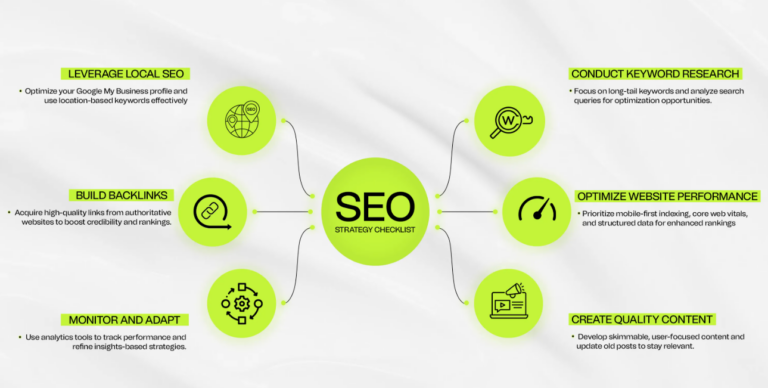
1. Keyword Research
Identify keywords your target audience uses when searching online.
Focus on:
- Primary keywords
- Long-tail keywords
- Low-competition keywords
2. On-Page SEO
Optimize individual pages by:
- Including keywords in titles and headings
- Writing compelling meta descriptions
- Using internal linking
- Adding alt text to images
3. Technical SEO
Ensure your website meets technical requirements:
- Secure HTTPS connection
- XML sitemap
- Clean URL structure
- Proper indexing
4. Off-Page SEO
Build authority through backlinks from reputable websites.
SEO helps your website rank higher in search engines, driving organic traffic.
Creating High-Quality Content
Content is one of the most important elements of website optimization.
1. Provide Value
Create content that solves problems or answers questions.
2. Use Clear Structure
Break content into headings, subheadings, and short paragraphs.
3. Include Visual Elements
Use images, videos, and infographics to enhance engagement.
4. Update Content Regularly
Keep your content fresh and relevant.
High-quality content attracts visitors and encourages them to stay longer on your site.
Optimizing Website Speed
Website speed is a crucial ranking factor and user experience element.
Tips to Improve Speed:
- Compress images
- Use a content delivery network (CDN)
- Minimize code (CSS, JavaScript)
- Enable browser caching
A faster website reduces bounce rates and improves overall performance.
Mobile Optimization
Mobile traffic now accounts for the majority of web usage.
Best Practices:
- Use responsive design
- Optimize images for mobile
- Simplify navigation
- Ensure fast loading times
Google prioritizes mobile-friendly websites, making mobile optimization essential for SEO success.
Conversion Rate Optimization (CRO)
Driving traffic is only part of the equation. You also need to convert visitors into customers.
Key CRO Strategies:
1. Clear Call-to-Actions (CTAs)
Use strong, action-oriented language such as “Buy Now” or “Get Started.”
2. Landing Page Optimization
Design landing pages that focus on a single goal.
3. Trust Signals
Include testimonials, reviews, and security badges.
4. A/B Testing
Test different elements to find what works best.
Improving conversion rates increases revenue without needing more traffic.
Integrating Social Media
Social media can significantly boost your website’s performance.
How to Integrate:
- Add social sharing buttons
- Embed social feeds
- Promote website content on social platforms
Social media drives traffic and enhances brand visibility.
Using Analytics and Tracking Tools
Data-driven decisions are essential for optimization.
Key Tools:
- Google Analytics
- Google Search Console
- Heatmaps
Metrics to Track:
- Traffic sources
- Bounce rate
- Conversion rate
- User behavior
Analyzing data helps you identify strengths and areas for improvement.
Building Strong Internal Linking
Internal links help users navigate your site and improve SEO.
Benefits:
- Better user experience
- Increased page views
- Improved search engine indexing
Link related content to guide visitors through your website.
Security and Trust
A secure website builds trust and protects user data.
Key Measures:
- Use HTTPS
- Install security plugins
- Regularly update software
Security is not only important for users but also for search engine rankings.
Common Website Optimization Mistakes
Avoid these common errors:
1. Ignoring Mobile Users
Failing to optimize for mobile can cost you a large portion of traffic.
2. Slow Loading Speed
A slow website drives users away.
3. Poor Content Quality
Low-quality content reduces engagement and trust.
4. Lack of Clear CTAs
Without clear direction, users may not take action.
Advanced Optimization Strategies
Once you’ve mastered the basics, consider advanced techniques:
1. Personalization
Customize content based on user behavior.
2. Marketing Automation
Automate email campaigns and user interactions.
3. Voice Search Optimization
Optimize for voice queries with natural language content.
4. AI Integration
Use AI tools for content creation and data analysis.
The Future of Website Optimization
Digital marketing is constantly evolving. Future trends include:
- AI-driven personalization
- Voice and visual search
- Increased focus on user experience
- Data privacy and security improvements
Staying updated with these trends ensures long-term success.
Conclusion
Optimizing your website for digital marketing success is essential in today’s competitive online environment. By focusing on user experience, SEO, content quality, speed, and conversion strategies, you can create a website that not only attracts visitors but also turns them into loyal customers.
The key is to continuously analyze performance, adapt to changes, and improve your strategies. With the right approach, your website can become a powerful asset that drives growth, increases revenue, and strengthens your brand.