In today’s highly competitive online landscape, having a clear and effective digital marketing plan is essential for business success. Without a structured strategy, businesses often struggle to reach their target audience, generate leads, and achieve consistent growth.
A digital marketing plan acts as a roadmap that guides your efforts, helping you align your goals, choose the right channels, and measure your results. Whether you are launching a startup or scaling an existing business, building a marketing plan from scratch ensures that every action you take is purposeful and data-driven.
In this comprehensive guide, you will learn how to build an effective digital marketing plan step by step, even if you are starting with little to no experience.
What Is a Digital Marketing Plan?
A digital marketing plan is a strategic document that outlines how a business will use online channels to achieve its marketing goals.
It typically includes:
- Business objectives
- Target audience
- Marketing channels
- Content strategy
- Budget allocation
- Performance metrics
A well-structured plan ensures that your marketing efforts are consistent, measurable, and aligned with your overall business goals.
Why You Need a Digital Marketing Plan
Many businesses fail because they rely on random marketing tactics without a clear direction.
Benefits of Having a Plan:
- Clear goals and focus
- Better resource allocation
- Improved ROI
- Consistent branding
- Measurable performance
A solid plan helps you avoid wasting time and money while maximizing your results.
Step 1: Define Your Goals
The first step in building a digital marketing plan is defining your goals.
Use the SMART Framework:
- Specific – Clearly define what you want to achieve
- Measurable – Set metrics to track progress
- Achievable – Ensure goals are realistic
- Relevant – Align with your business objectives
- Time-bound – Set a deadline
Examples of Goals:
- Increase website traffic by 50% in 6 months
- Generate 1,000 new leads per month
- Boost sales by 30% within a year
Clear goals provide direction and make it easier to measure success.
Step 2: Identify Your Target Audience
Understanding your audience is critical to creating effective marketing campaigns.
Key Factors to Consider:
- Demographics (age, gender, location)
- Interests and preferences
- Online behavior
- Pain points and challenges
Create Buyer Personas:
A buyer persona is a detailed profile of your ideal customer. It helps you tailor your messaging and choose the right marketing channels.
Knowing your audience ensures that your marketing efforts resonate with the right people.
Step 3: Analyze Your Competitors
Competitor analysis helps you understand what works in your industry.
What to Analyze:
- Their website and content
- Social media presence
- Advertising strategies
- Strengths and weaknesses
Tools You Can Use:
- SEO tools
- Social media analytics
- Website analysis platforms
By studying competitors, you can identify opportunities and differentiate your brand.
Step 4: Choose the Right Marketing Channels
Not all digital marketing channels will be suitable for your business.
Popular Channels Include:
1. Search Engine Optimization (SEO)
For long-term organic traffic.
2. Pay-Per-Click (PPC) Advertising
For quick and targeted results.
3. Social Media Marketing
For engagement and brand awareness.
4. Email Marketing
For nurturing leads and retaining customers.
5. Content Marketing
For building authority and trust.
Focus on the channels that align with your audience and goals.
Step 5: Develop a Content Strategy
Content is the foundation of digital marketing.
Types of Content:
- Blog posts
- Videos
- Infographics
- E-books
- Social media posts
Content Planning Tips:
- Address your audience’s needs
- Use relevant keywords
- Maintain a consistent posting schedule
- Repurpose content across platforms
High-quality content attracts, engages, and converts your audience.
Step 6: Set Your Budget
Budgeting is an essential part of your marketing plan.
Consider Costs For:
- Advertising campaigns
- Content creation
- Tools and software
- Outsourcing services
Start with a budget that matches your resources and scale up as you see results.
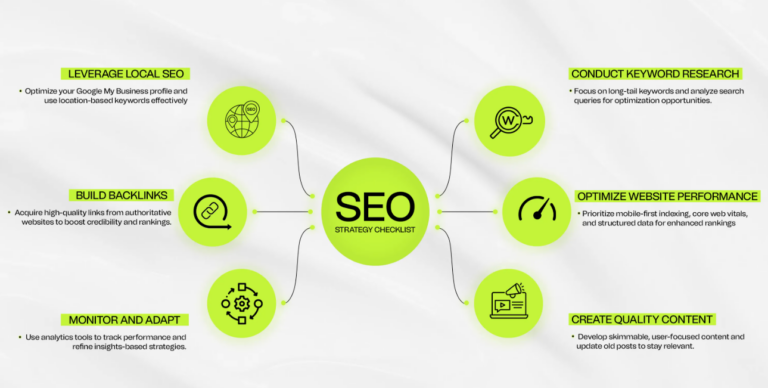
Step 7: Implement SEO Best Practices
SEO should be integrated into your plan from the beginning.
Key SEO Elements:
- Keyword optimization
- On-page SEO
- Technical SEO
- Link building
SEO helps your website rank higher in search engines and drives organic traffic.
Step 8: Create a Social Media Plan
Social media is a powerful channel for reaching and engaging your audience.
Key Components:
- Platform selection
- Content calendar
- Engagement strategy
- Performance tracking
Consistency and interaction are key to success on social media.
Step 9: Launch and Test Campaigns
Once your plan is ready, it’s time to execute.
Start With:
- Small campaigns
- A/B testing
- Performance tracking
Testing allows you to identify what works best and optimize your strategy.
Step 10: Track and Measure Performance
Measuring results is essential for improving your marketing plan.
Key Metrics:
- Website traffic
- Conversion rate
- Cost per acquisition (CPA)
- Return on investment (ROI)
Use analytics tools to monitor performance and make data-driven decisions.
Step 11: Optimize and Scale
Digital marketing is an ongoing process.
Optimization Strategies:
- Improve underperforming campaigns
- Focus on high-performing channels
- Update content regularly
- Experiment with new strategies
Scaling successful campaigns helps you grow faster and increase revenue.
Common Mistakes to Avoid
Avoid these pitfalls when building your marketing plan:
1. Lack of Clear Goals
Without goals, your strategy lacks direction.
2. Ignoring Data
Decisions should be based on data, not assumptions.
3. Trying to Do Everything
Focus on a few channels and do them well.
4. Inconsistent Efforts
Consistency is key to long-term success.
Advanced Strategies for Growth
Once your plan is established, consider advanced techniques:
1. Marketing Automation
Streamline repetitive tasks and improve efficiency.
2. Personalization
Deliver tailored experiences to your audience.
3. Retargeting
Re-engage users who have interacted with your brand.
4. AI and Data Analytics
Leverage technology for better insights and performance.
The Future of Digital Marketing Planning
Digital marketing continues to evolve rapidly.
Key Trends:
- AI-driven strategies
- Increased focus on video content
- Voice search optimization
- Data privacy regulations
Staying updated with these trends will keep your marketing plan effective and competitive.
Conclusion
Building an effective digital marketing plan from scratch may seem challenging, but it becomes manageable when broken down into clear steps. By defining your goals, understanding your audience, choosing the right channels, and continuously optimizing your strategy, you can create a powerful plan that drives real results.
Remember, success in digital marketing doesn’t happen overnight. It requires consistency, experimentation, and a willingness to adapt. With the right plan in place, your business can achieve sustainable growth, increased revenue, and a strong online presence.