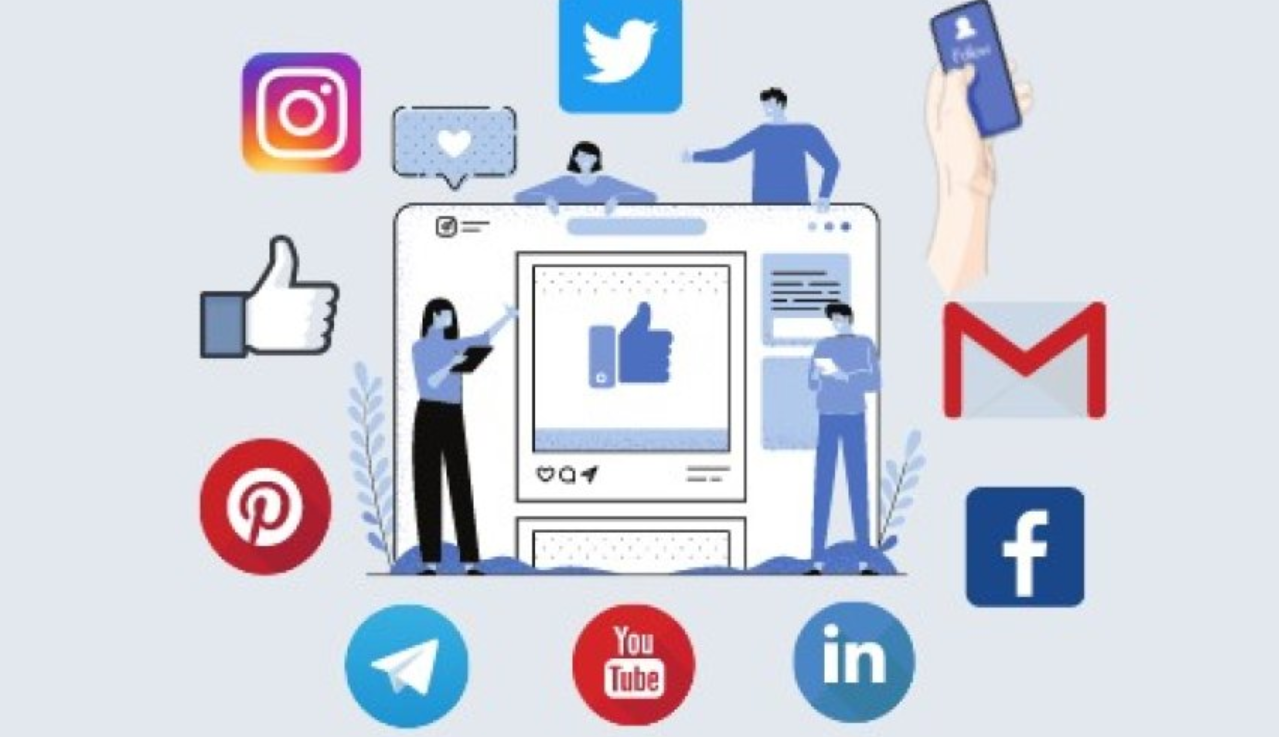
Social media has become one of the most powerful tools in digital marketing. With billions of active users worldwide, platforms like Facebook, Instagram, TikTok, LinkedIn, and Twitter (X) provide businesses with unmatched opportunities to connect with their audience, build brand awareness, and drive revenue.
However, mastering social media is not just about posting content regularly. It requires strategy, creativity, consistency, and data-driven decision-making. Businesses that understand how to leverage social media effectively can significantly outperform competitors and achieve sustainable growth.
In this comprehensive guide, we will explore how to master social media in digital marketing, from building a strong foundation to implementing advanced strategies that deliver real results.
Understanding the Role of Social Media in Digital Marketing
Social media plays a crucial role in modern marketing strategies. It allows businesses to:
- Communicate directly with their audience
- Build brand identity and trust
- Promote products and services
- Drive traffic to websites
- Generate leads and sales
Unlike traditional marketing channels, social media provides real-time interaction and feedback. This makes it easier to understand customer preferences and adapt strategies accordingly.
Choosing the Right Social Media Platforms
Not all social media platforms are created equal. Each platform has its own audience, content style, and marketing potential.
1. Facebook
Ideal for building communities, running ads, and sharing diverse content types.
2. Instagram
Best for visual content such as images, reels, and stories. Great for lifestyle and eCommerce brands.
3. TikTok
Perfect for short-form videos and viral content. Popular among younger audiences.
4. LinkedIn
Focused on professional networking and B2B marketing.
5. Twitter (X)
Effective for real-time updates, trends, and customer engagement.
Choosing the right platform depends on your target audience and business goals. It’s better to focus on a few platforms and do them well rather than trying to be everywhere.
Building a Strong Social Media Strategy
A successful social media presence starts with a clear strategy.
1. Define Your Goals
Determine what you want to achieve, such as:
- Increasing brand awareness
- Driving website traffic
- Generating leads
- Boosting sales
2. Identify Your Target Audience
Understand who your audience is, including their:
- Age
- Interests
- Online behavior
- Pain points
3. Analyze Competitors
Study what your competitors are doing. Identify their strengths and weaknesses to find opportunities for differentiation.
4. Choose Content Themes
Create consistent content themes that align with your brand, such as:
- Educational content
- Entertaining posts
- Promotional offers
- User-generated content
Creating High-Quality Content
Content is the backbone of social media marketing. Without engaging content, even the best strategies will fail.
1. Focus on Value
Provide content that solves problems, answers questions, or entertains your audience.
2. Use Visuals
Images and videos perform better than text-only posts. Invest in high-quality visuals to capture attention.
3. Be Consistent
Consistency builds trust and keeps your audience engaged. Create a content calendar to maintain regular posting.
4. Leverage Video Content
Short-form videos are currently dominating social media. Platforms like TikTok and Instagram Reels offer massive reach potential.
The Power of Storytelling
Storytelling is one of the most effective ways to connect with your audience.
Instead of simply promoting products, share stories that resonate emotionally. For example:
- Behind-the-scenes content
- Customer success stories
- Brand journey
Stories make your brand more relatable and memorable, increasing engagement and loyalty.
Growing Your Audience Organically
Building a strong following takes time, but organic growth ensures long-term success.
1. Optimize Your Profile
Use a clear profile picture, compelling bio, and relevant keywords.
2. Use Hashtags Strategically
Hashtags help your content reach a wider audience. Use a mix of popular and niche hashtags.
3. Engage with Your Audience
Reply to comments, messages, and mentions. Engagement builds relationships and trust.
4. Collaborate with Influencers
Partnering with influencers can expose your brand to new audiences.
Using Paid Advertising Effectively
Organic reach can be limited, which is why paid advertising is essential.
Benefits of Social Media Ads:
- Highly targeted audience
- Quick results
- Scalable campaigns
Tips for Success:
- Start with a small budget
- Test different ad creatives
- Monitor performance metrics
- Optimize campaigns regularly
Paid ads can significantly boost visibility and accelerate business growth when used correctly.
Leveraging Analytics and Data
Data is key to mastering social media marketing.
Important Metrics to Track:
- Engagement rate
- Reach and impressions
- Click-through rate (CTR)
- Conversion rate
By analyzing these metrics, you can identify what works and what doesn’t. This allows you to refine your strategy and improve results over time.
Building a Strong Brand Identity
Your social media presence should reflect your brand consistently.
Elements of a Strong Brand:
- Consistent visual style
- Clear brand voice
- Authentic messaging
A strong brand identity helps you stand out and makes your business more recognizable.
The Importance of Engagement
Engagement is more important than the number of followers.
High engagement indicates that your audience is interested in your content. This leads to:
- Increased visibility
- Higher trust
- Better conversion rates
Encourage engagement by asking questions, running polls, and creating interactive content.
Social Media Automation and Tools
Managing multiple social media accounts can be time-consuming. Automation tools can help streamline the process.
Popular Tools:
- Scheduling tools
- Analytics platforms
- Content creation tools
Automation allows you to focus on strategy while maintaining consistent activity.
Common Mistakes to Avoid
To master social media, avoid these common mistakes:
1. Inconsistent Posting
Irregular posting can reduce engagement and visibility.
2. Ignoring Analytics
Failing to analyze data leads to missed opportunities for improvement.
3. Over-Promotion
Too many promotional posts can drive followers away.
4. Lack of Engagement
Not responding to your audience can damage your brand reputation.
Advanced Social Media Strategies
Once you’ve mastered the basics, you can explore advanced strategies:
1. Retargeting Campaigns
Target users who have previously interacted with your brand.
2. User-Generated Content
Encourage customers to create content featuring your brand.
3. Viral Marketing
Create content designed to be shared widely.
4. Community Building
Build a loyal community around your brand.
The Future of Social Media Marketing
Social media continues to evolve rapidly. Key trends to watch include:
- AI-driven content creation
- Increased focus on video content
- Personalized user experiences
- Growth of social commerce
Staying updated with these trends will help you remain competitive in the digital landscape.
Conclusion
Mastering social media in digital marketing requires more than just posting content. It involves understanding your audience, creating valuable content, leveraging data, and continuously optimizing your strategy.
By choosing the right platforms, building a strong brand, and engaging with your audience, you can unlock the full potential of social media. Whether you’re aiming to increase brand awareness, generate leads, or drive sales, social media offers endless opportunities for growth.
Success doesn’t happen overnight, but with consistency, creativity, and a strategic approach, you can turn social media into a powerful engine for your business.