In today’s fast-paced digital economy, businesses are no longer confined to traditional methods of marketing. The internet has transformed how companies connect with their audience, promote products, and generate revenue. Digital marketing has emerged as a powerful engine that fuels business growth, enabling organizations of all sizes to compete in a global marketplace.
From startups to large enterprises, companies are leveraging digital marketing strategies to increase brand visibility, attract targeted customers, and boost profits. But how exactly does digital marketing drive business growth and revenue? In this comprehensive guide, we’ll explore the key components, strategies, and benefits that make digital marketing an essential tool for modern success.
What Is Digital Marketing?
Digital marketing refers to the use of online channels, platforms, and technologies to promote products or services. Unlike traditional marketing, which relies on print media, television, or radio, digital marketing utilizes the internet to reach a wider and more targeted audience.
Key channels include:
- Search engines (SEO & SEM)
- Social media platforms
- Email marketing
- Content marketing
- Affiliate marketing
- Paid advertising (PPC)
These channels allow businesses to communicate directly with their audience, measure performance in real time, and optimize campaigns for better results.
The Role of Digital Marketing in Business Growth
Digital marketing plays a crucial role in helping businesses grow in several ways:
1. Expanding Market Reach
One of the biggest advantages of digital marketing is its ability to reach a global audience. Businesses are no longer limited by geographic boundaries. With the right strategy, even small companies can attract customers from different parts of the world.
For example, an online store can sell products internationally using search engine optimization (SEO) and social media marketing. This expanded reach translates into more opportunities for sales and revenue.
2. Targeting the Right Audience
Unlike traditional marketing, digital marketing allows precise audience targeting. Businesses can define their ideal customers based on:
- Age
- Gender
- Location
- Interests
- Online behavior
This ensures that marketing efforts are directed toward people who are more likely to convert, increasing efficiency and reducing wasted budget.
3. Building Brand Awareness
A strong online presence is essential for brand recognition. Digital marketing helps businesses establish and maintain their brand identity through consistent messaging and engagement.
Content marketing, social media campaigns, and search engine visibility all contribute to making a brand more recognizable. The more people see and interact with your brand, the more likely they are to trust and choose your products or services.
4. Driving Website Traffic
Digital marketing strategies such as SEO, pay-per-click (PPC) advertising, and social media marketing are designed to drive traffic to your website.
More traffic means more opportunities to:
- Generate leads
- Convert visitors into customers
- Increase sales
High-quality traffic—visitors who are genuinely interested in your offerings—can significantly boost conversion rates.
Key Digital Marketing Strategies That Boost Revenue
To fully understand how digital marketing drives revenue, let’s explore the most effective strategies.
1. Search Engine Optimization (SEO)
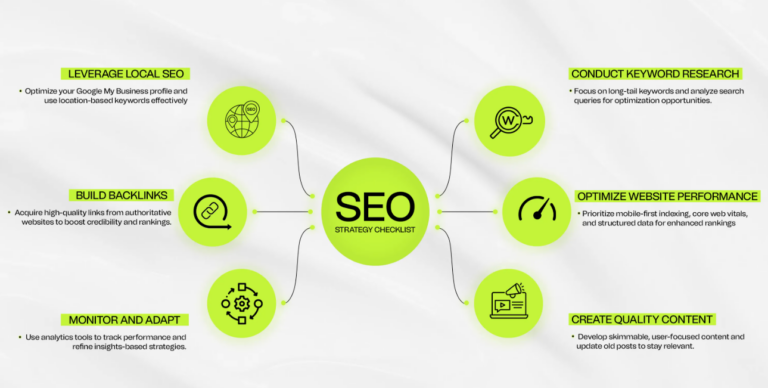
SEO is the process of optimizing your website to rank higher in search engine results. When your website appears on the first page of search results, it attracts more organic traffic.
Benefits of SEO include:
- Long-term traffic growth
- Increased credibility and trust
- Higher conversion rates
By targeting relevant keywords and creating valuable content, businesses can attract users who are actively searching for their products or services.
2. Pay-Per-Click Advertising (PPC)
PPC advertising allows businesses to display ads on search engines and social media platforms. You only pay when someone clicks on your ad.
Advantages of PPC:
- Immediate results
- Highly targeted campaigns
- Measurable ROI
PPC is especially useful for driving quick traffic and testing new marketing strategies.
3. Content Marketing
Content marketing focuses on creating valuable and relevant content to attract and engage your audience.
Examples include:
- Blog posts
- Videos
- Infographics
- E-books
High-quality content helps establish authority, build trust, and guide customers through the buying journey. It also supports SEO efforts by providing keyword-rich material for search engines.
4. Social Media Marketing
Social media platforms are powerful tools for connecting with customers and promoting your brand.
Benefits include:
- Increased brand awareness
- Direct communication with customers
- Enhanced customer loyalty
By sharing engaging content and interacting with followers, businesses can build strong relationships that lead to repeat sales.
5. Email Marketing
Email marketing remains one of the most effective ways to nurture leads and retain customers.
Key benefits:
- Personalized communication
- High return on investment (ROI)
- Direct access to your audience
Businesses can use email campaigns to promote products, share updates, and encourage repeat purchases.
6. Conversion Rate Optimization (CRO)
Driving traffic is only part of the equation. Converting that traffic into customers is equally important.
CRO involves improving your website and marketing strategies to increase the percentage of visitors who take action, such as:
- Making a purchase
- Signing up for a newsletter
- Filling out a contact form
Small improvements in conversion rates can lead to significant increases in revenue.
How Digital Marketing Increases Revenue
Digital marketing doesn’t just attract customers—it directly impacts revenue growth.
1. Generating High-Quality Leads
Digital marketing helps businesses attract leads who are genuinely interested in their offerings. These leads are more likely to convert into paying customers.
For example, someone searching for a specific product is already in the buying mindset, making them a high-quality lead.
2. Improving Customer Engagement
Engaged customers are more likely to make purchases and remain loyal to a brand.
Digital marketing enables businesses to:
- Respond to customer inquiries quickly
- Share valuable content
- Build meaningful relationships
Higher engagement leads to increased trust and higher lifetime customer value.
3. Enhancing Customer Retention
Acquiring new customers can be expensive. Retaining existing customers is often more cost-effective.
Digital marketing strategies such as email marketing and personalized offers help keep customers coming back. Repeat customers contribute significantly to overall revenue.
4. Data-Driven Decision Making
One of the biggest advantages of digital marketing is access to data.
Businesses can track:
- Website traffic
- Conversion rates
- Customer behavior
- Campaign performance
This data allows companies to make informed decisions, optimize strategies, and maximize ROI.
The Importance of Mobile Marketing
With the increasing use of smartphones, mobile marketing has become essential.
Businesses must ensure that their:
- Websites are mobile-friendly
- Emails are optimized for mobile devices
- Ads are designed for mobile users
A seamless mobile experience improves user satisfaction and increases the likelihood of conversions.
Challenges in Digital Marketing
While digital marketing offers numerous benefits, it also comes with challenges:
1. High Competition
Many businesses are competing for attention online, making it harder to stand out.
2. Constant Changes
Search engine algorithms and platform policies are constantly evolving, requiring businesses to stay updated.
3. Time and Resource Investment
Effective digital marketing requires time, effort, and expertise.
Despite these challenges, the benefits far outweigh the drawbacks when strategies are executed correctly.
Tips for Successful Digital Marketing
To maximize the impact of digital marketing, businesses should follow these best practices:
1. Define Clear Goals
Set specific, measurable objectives for your campaigns.
2. Know Your Audience
Understand your target audience’s needs, preferences, and behavior.
3. Create High-Quality Content
Focus on providing value rather than just promoting products.
4. Optimize for SEO
Use relevant keywords and optimize your website for search engines.
5. Monitor and Analyze Performance
Regularly review data and adjust strategies accordingly.
The Future of Digital Marketing
Digital marketing continues to evolve with advancements in technology.
Emerging trends include:
- Artificial intelligence (AI)
- Voice search optimization
- Video marketing dominance
- Personalization and automation
Businesses that adapt to these trends will have a competitive advantage in driving growth and revenue.
Conclusion
Digital marketing has become an indispensable tool for businesses looking to grow and increase revenue. By leveraging online channels, targeting the right audience, and using data-driven strategies, companies can achieve remarkable results.
From SEO and content marketing to social media and email campaigns, each component plays a vital role in attracting customers, building relationships, and driving sales. While challenges exist, the opportunities provided by digital marketing are vast and continually expanding.
In a world where consumers are increasingly connected online, businesses that embrace digital marketing are better positioned to thrive. Whether you’re a small startup or an established enterprise, investing in digital marketing is no longer optional—it’s essential for sustainable growth and long-term success.