In today’s rapidly evolving digital landscape, small businesses face both unprecedented challenges and incredible opportunities. With limited budgets and resources, competing against larger, established companies can seem overwhelming. However, digital marketing has leveled the playing field, allowing small businesses to reach their target audience effectively and grow sustainably.
This article explores how small businesses can succeed with digital marketing by leveraging the right strategies, tools, and mindset.
Understanding Digital Marketing for Small Businesses
Digital marketing refers to all online efforts used to promote products or services. It includes channels such as search engines, social media, email, websites, and online advertising.
For small businesses, digital marketing is not just an option—it is essential. Unlike traditional marketing, digital strategies are cost-effective, measurable, and highly targeted.
Key Benefits:
- Lower marketing costs compared to traditional methods
- Ability to target specific audiences
- Real-time performance tracking
- Greater engagement with customers
- Scalability for growth
Building a Strong Online Presence
A strong online presence is the foundation of digital marketing success.
1. Create a Professional Website
Your website is your digital storefront. It should:
- Be mobile-friendly
- Load quickly
- Have clear navigation
- Include essential information (products, services, contact details)
A well-designed website builds credibility and converts visitors into customers.
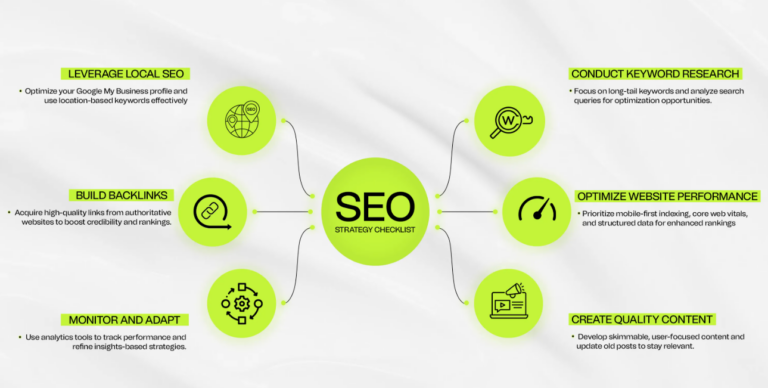
2. Optimize for Search Engines (SEO)
Search Engine Optimization (SEO) helps your website appear in search results when potential customers are looking for your products or services.
Key SEO Strategies:
- Use relevant keywords
- Optimize meta titles and descriptions
- Create high-quality content
- Improve page speed
- Build backlinks
SEO is a long-term strategy but delivers sustainable traffic.
Leveraging Content Marketing
Content marketing is one of the most powerful tools for small businesses.
Why Content Matters
Content builds trust, educates your audience, and positions your brand as an authority.
Types of Content:
- Blog posts
- Videos
- Infographics
- E-books
- Social media posts
Tips for Success:
- Focus on solving customer problems
- Maintain consistency
- Use storytelling
- Optimize content for SEO
High-quality content drives organic traffic and increases engagement.
Utilizing Social Media Marketing
Social media platforms allow small businesses to connect directly with their audience.
Choosing the Right Platforms
Not all platforms are suitable for every business. Choose based on your target audience:
- Instagram: Visual content, lifestyle brands
- Facebook: Broad audience, community building
- LinkedIn: B2B marketing
- TikTok: Short-form video, younger audience
Effective Social Media Strategies:
- Post consistently
- Engage with followers
- Use hashtags strategically
- Share user-generated content
- Run targeted ads
Social media builds brand awareness and fosters customer relationships.
Email Marketing: A High-ROI Strategy
Email marketing remains one of the most effective digital marketing channels.
Benefits:
- Direct communication with customers
- High return on investment
- Personalized messaging
Best Practices:
- Build a quality email list
- Segment your audience
- Use compelling subject lines
- Provide value in every email
- Include clear calls-to-action
Email marketing helps nurture leads and retain customers.
Paid Advertising for Faster Results
While organic strategies take time, paid advertising delivers immediate visibility.
Popular Paid Channels:
- Search engine ads (PPC)
- Social media ads
- Display advertising
Tips for Small Businesses:
- Start with a small budget
- Target specific audiences
- Test different ad creatives
- Monitor performance regularly
Paid ads can boost traffic, leads, and sales when executed properly.
Harnessing the Power of Local SEO
For small businesses, especially those with physical locations, local SEO is crucial.
Strategies:
- Optimize your business listing
- Encourage customer reviews
- Use location-based keywords
- Ensure consistent contact information
Local SEO helps you appear in searches like “near me” and attract nearby customers.
Using Data and Analytics
One of the biggest advantages of digital marketing is measurability.
Key Metrics to Track:
- Website traffic
- Conversion rates
- Click-through rates (CTR)
- Customer acquisition cost
- Return on investment (ROI)
Tools to Use:
- Website analytics tools
- Social media insights
- Email marketing dashboards
Analyzing data allows you to refine strategies and improve performance.
Building Customer Relationships
Digital marketing is not just about selling—it’s about building relationships.
Ways to Build Trust:
- Respond to comments and messages
- Provide valuable content
- Offer excellent customer service
- Ask for feedback
Loyal customers are more likely to recommend your business and make repeat purchases.
Embracing Mobile Marketing
With the majority of users accessing the internet via mobile devices, optimizing for mobile is essential.
Mobile Optimization Tips:
- Use responsive design
- Ensure fast loading times
- Simplify navigation
- Optimize emails for mobile
Mobile-friendly experiences improve user satisfaction and conversions.
Adopting Video Marketing
Video content is rapidly becoming the most engaging form of digital content.
Benefits:
- Higher engagement rates
- Better information retention
- Increased conversions
Types of Videos:
- Product demonstrations
- Tutorials
- Customer testimonials
- Behind-the-scenes content
Video marketing helps capture attention and communicate messages effectively.
Competing with Larger Businesses
Small businesses may not have the same resources as large corporations, but they have unique advantages.
Strengths of Small Businesses:
- Personal touch
- Flexibility
- Niche focus
- Authenticity
Strategies to Compete:
- Focus on a specific niche
- Build strong customer relationships
- Offer personalized experiences
- Be agile and adapt quickly
Digital marketing allows small businesses to compete effectively without massive budgets.
Budget-Friendly Digital Marketing Tips
Limited budgets should not limit your success.
Cost-Effective Strategies:
- Focus on organic content
- Use free tools and platforms
- Repurpose content
- Collaborate with influencers or partners
- Leverage user-generated content
Smart planning ensures maximum impact with minimal spending.
Common Mistakes to Avoid
Small businesses often make avoidable mistakes in digital marketing.
Key Mistakes:
- Lack of clear strategy
- Ignoring analytics
- Inconsistent branding
- Neglecting SEO
- Focusing on too many channels at once
Avoiding these mistakes increases your chances of success.
Creating a Digital Marketing Strategy
A clear strategy is essential for achieving results.
Steps to Build a Strategy:
- Define your goals
- Identify your target audience
- Choose the right channels
- Create a content plan
- Set a budget
- Track and optimize performance
A structured approach ensures consistent growth.
The Future of Digital Marketing for Small Businesses
Digital marketing continues to evolve with new technologies and trends.
Emerging Trends:
- Artificial intelligence (AI)
- Voice search optimization
- Personalization
- Automation
- Interactive content
Staying updated with trends helps small businesses remain competitive.
Conclusion
Digital marketing offers small businesses a powerful pathway to success. By building a strong online presence, creating valuable content, leveraging social media, and using data-driven strategies, small businesses can compete with larger players and achieve sustainable growth.
Success in digital marketing does not happen overnight. It requires consistency, creativity, and a willingness to adapt. With the right approach, even the smallest businesses can thrive in the digital world.
Final Thoughts
Small businesses have a unique opportunity to connect with customers in meaningful ways through digital marketing. By focusing on authenticity, delivering value, and continuously improving strategies, success is not only possible—it is highly achievable.
Start small, stay consistent, and grow strategically. The digital world is full of opportunities waiting to be explored.